

- Purpose
- Replace shame with empowerment
- Content
- Banks profit when you feel stuck - here's how to break free.
- Key Themes to Include
- Show bankruptcy as a legal reset button, not failure.
Loading page
Lead follow-up
Convert leads to filed cases
At a glance
Our bankruptcy lead follow-up and conversion strategy has been battle-tested, and the results are in: We have the highest conversion rate in the industry.
Whether we generate the lead or you bring your own list, the system keeps potential clients engaged until timing changes. Pair it with our lead generation services for retargeting that keeps your firm in front of hesitant debtors.
Lead follow-up process
01

We build bankruptcy-specific email and text sequences that address the shame, fear, credit, and cost concerns that keep people from filing.
02
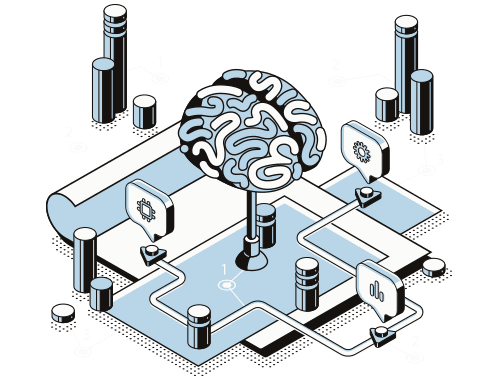
We load each sequence into our software, manage setup and data, and run a four-year email and text cadence. Your firm never needs to learn or maintain another platform.
03

All communication is branded with your firm's name. Your staff manages email responses, and we manage text responses so no reply sits unanswered.
04
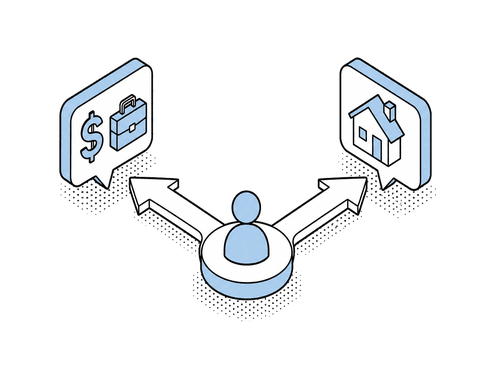
We adjust each lead's messaging based on the content they care most about. For instance, garnishment-focused education is sent to leads worried about their paycheck. Leads facing foreclosure learn about whether bankruptcy can save their home. For firms using our lead generation services, coordinated retargeting keeps your firm visible between messages.
How to turn bankruptcy leads into clients
Bankruptcy leads are scared, ashamed, and half-hoping the problem disappears on its own. They don't always act the first time they're ready, so the firms that win aren't just the fastest to respond; they're also the ones who are still there, with the right tone, across every window of motivation that follows.
Book a strategy callThe real obstacles bankruptcy attorneys are up against:
Debtors can feel so overwhelmed by financial obligations that they are paralyzed. After all, taking action requires executive functioning, which is exactly what is depleted.
In other words, the symptom and the cure share a doorway.
They don't take action until garnishment, foreclosure, repossession, or lawsuit hits.
Social media, Google, AI chats, referrals, and email sequences all drive leads. A connected intake and nurture system creates interest across the board.
Brains that feel overwhelmed will choose tasks that feel doable. The catch is that necessary tasks can feel difficult, and difficult tasks can tip an overwhelmed brain over the edge.
Pricing details
Lead follow-up is the highest ROI in consumer bankruptcy.
Typical rates
Next step
Tell us more about your needs, and we will provide a precise quote.
Bankruptcy objections
Most leads aren't ready the day they reach out, so we stay with them through a branded email and text sequence that addresses the real reasons people hesitate.
We take embarrassment out of it: financial struggles are human, and they're in good company with people we help every single day.
We tackle the "I can't afford it" worry head-on.
We show them how to reach a 720 credit score within two years of bankruptcy, with our proprietary program, 7 Steps to a 720 Credit Score.
We take away the stigma of bankruptcy, showing leads that it isn't rock bottom. Rather, bankruptcy is a fresh start.
Video resource
No gatekeeping here: We'll show you exactly how we do it.
Watch Philip Tirone walk through the entire four-year follow-up system we've built over 14 years. He'll go through the emails, the texts, the psychology, and the numbers. Then decide whether you want to build it yourself or let us run it for you.
Decision timeline
Most bankruptcy prospects don't file right away. They reach out, then go quiet until something forces their hand.
Book a strategy callBe the firm your leads remember:
Video resource
Frequently asked questions
Answer: You address shame and fear by making every touchpoint a chance to replace stigma with support and education, and by continuing to nurture the relationship for the long term. This starts with lead follow-up and continues through the relationship.
The research is clear that shame deepens financial avoidance. When people feel ashamed about their finances, they are more likely to withdraw and avoid taking action, even when help is available.
When attorneys normalize bankruptcy as a legal, affordable way to reset, they help replace that stigma with support. This starts when you first make contact with the client. Send emails that:
Key takeaway: Shame and fear are the biggest barriers to bankruptcy. A consistent, four-year follow-up system paired with resources like 7 Steps to a 720 Credit Score gives clients both immediate relief and a clear path to financial recovery.
Answer: The best text and email messages for converting bankruptcy leads educate, eliminate shame, address cost and credit fears, and keep the attorney top of mind.
A strong follow-up system pairs general education campaigns with targeted reminders for booked appointments and gentle rescheduling nudges for no-shows. Texts work best for quick reminders and rescheduling, while emails are ideal for deeper education.
| Message Type | Purpose | Content | Key Themes to Include |
|---|---|---|---|
| Replace shame with empowerment | Banks profit when you feel stuck - here's how to break free. | Show bankruptcy as a legal reset button, not failure. | |
| Answer FAQs and build trust | Will bankruptcy ruin my credit forever? and other FAQs | Explain life after bankruptcy, credit rebuilding, and affordability. | |
| Text | Follow up with no-shows | Still thinking about filing? We can help you understand your options. | Keep the next step small, supportive, and easy to accept. |
| Nurture long-term leads | Why waiting can make debt more expensive | Stay present for people who need months before they are ready. |
Key takeaway: The most effective bankruptcy follow-up combines educational drip emails with timely texts. Together, those touchpoints replace shame with support and convert hesitant debtors into paying clients.
Answer: Your marketing message should show leads that bankruptcy is affordable and within reach. Most potential clients considering bankruptcy are already worried about money, so every follow-up should reduce that pressure.
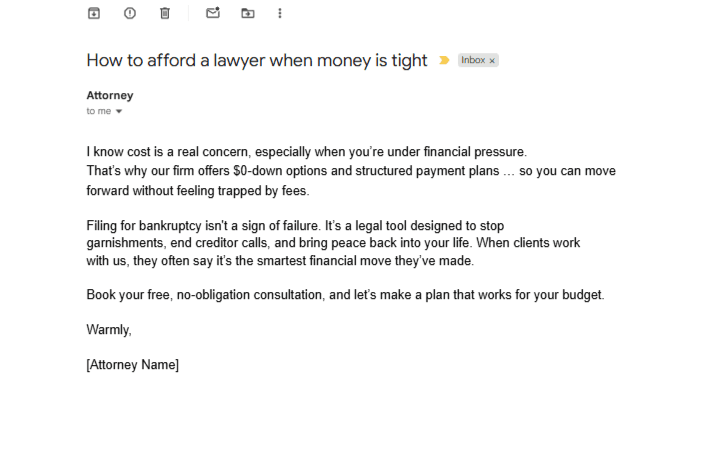
Key takeaway: Affordability worries are natural, but with education, options, and empathy, you can turn a hesitant lead into a committed client.
Answer: Bankruptcy lead follow-up is different because people rarely act right away. Personal injury and family law prospects often have urgency; bankruptcy prospects are often delayed by shame, fear, and uncertainty.
Many debtors hope to find another solution, download information, or schedule a consultation, then freeze before moving forward. It is common for bankruptcy leads to need months of steady follow-up before they take action.
Key takeaway: Bankruptcy leads do not convert on urgency alone. They convert when consistent follow-up replaces fear and shame with trust, education, and hope.
Answer: The most effective bankruptcy lead follow-up systems have five essential components. The lead follow-up system should be:
That is the approach we take at 720 System Strategies. We use a steady, thoughtful follow-up that helps people feel ready to move forward.
Answer: Automated bankruptcy lead follow-up is almost always a smarter and more cost-efficient solution than relying only on manual intake, assuming you use the right system.
Manual follow-up is costly and inconsistent. Automation means no leads slip through the cracks, and it lets your intake team focus on warm, qualified prospects instead of chasing every cold lead.
Key takeaway: Even organized attorneys lose leads without automation. Manual follow-up drains money, time, and staff energy, while automation keeps every prospect engaged at a more predictable cost.
Answer: The best platforms combine intake tools, automated email and text campaigns, and client tracking dashboards, but the right fit depends on your firm's size, budget, and how hands-on you want to be.
720 System Strategies is the plug-and-play option built specifically for bankruptcy attorneys. For a flat monthly fee, you get a long-term email and text follow-up sequence, live operator responses, and ongoing lead nurturing without adding work to your staff.
| Platform | Core Features | Cost | Best Fit For | Verdict |
|---|---|---|---|---|
| Clio Grow / Complete | Intake forms, automated follow-up emails, appointment booking, client portal, workflows | $49-$129 | Firms wanting case management plus intake/follow-up in one platform | Solid all-in-one, but not specialized |
| MyCase | Intake and lead tracking, automated communications, client portal | $49-$89 | Small to mid-size firms centralizing intake and follow-up | Useful dashboard, less bankruptcy-specific |
| Lead Docket | Lead capture, automated follow-ups, source tracking dashboards | Custom | Firms focused heavily on marketing attribution and lead flow | Strong attribution, heavier setup |
| 720 System Strategies | Bankruptcy-specific text/email follow-up, live operator responses, long-term nurture | $275/month flat for up to 1,000 leads | Bankruptcy attorneys who want a done-for-you system | Built for this exact use case |
Key takeaway: If you need a plug-and-play system built specifically for bankruptcy attorneys, 720 System Strategies is the clear fit.
Answer: You need both. Ads bring attention, but ads alone do not convert. A structured follow-up system educates, reassures, and re-engages leads until they are ready to file.
The ROI comes from converting inquiries you already paid for. For bankruptcy firms, structured follow-up can cut cost-per-client by improving conversion from existing leads instead of only buying more traffic.
Key takeaway: Ads start the conversation, but structured follow-up closes it. The real ROI comes from consistently nurturing the leads you already have until they become paying clients.
Answer: You, your staff, or your automated lead follow-up system should contact bankruptcy leads within five minutes of receiving the lead, and sooner if possible.
For bankruptcy attorneys, responding instantly can be the difference between securing a client and losing them to another firm. A system that starts the conversation immediately protects the value of every lead.
Answer: Most consumer law firms convert only a fraction of leads right away. Bankruptcy practices are often lower because debtors delay, worry about cost, and need repeated reassurance before they move forward.
Internal data from 720 System Strategies shows higher rates for firms using a holistic intake process, including strong follow-up and long-term nurture.
Check out this strategy call with Philip Tirone, founder of 720 System Strategies, for a comprehensive look at an effective lead follow-up system.
Answer: Texting consistently outperforms phone calls for reaching bankruptcy leads. Response rates for texts are commonly far higher than answered phone calls.
That does not mean calls do not matter. Many people still want to hear a human voice before they commit. The best results come from combining texts and calls.
Key takeaway: Do not choose between texts or calls. Use both. Texting gets attention quickly, while calls build trust and rapport.
Answer: Leads go cold because many attorneys fail to put consistent outreach systems in place to overcome debtors' hesitation. Most debtors are passive, afraid, embarrassed, and worried about affordability.
Our multi-channel lead follow-up combines email, text, and phone calls with more than 100 touchpoints over four years. It gently walks debtors through their fears and doubts, while reframing bankruptcy as a tool for relief.
Key takeaway: Leads do not convert because most attorneys stop following up. Our four-year system keeps showing up with reassurance and clarity until passive leads become paying clients.
Answer: The most common objections are shame, privacy fears, cost concerns, and credit-score anxiety. Strong follow-up speaks directly to each objection instead of pretending those fears do not exist.
| Objection | Emotional Barrier | Follow-Up Messaging Strategy |
|---|---|---|
| Shame / Stigma | Filing means I failed. | Compare bankruptcy to other smart financial strategies and emphasize that most filings result from circumstances outside a person's control. |
| Privacy | Everyone will know. | Reassure clients that the legal process is structured and private, and that attorneys protect dignity while guiding the process. |
| Cost | I cannot afford to file. | Show flexible payment options and compare bankruptcy's finite cost to the endless compounding costs of staying in debt. |
| Credit | My credit will be ruined forever. | Explain that bankruptcy can stop the bleeding and create a faster path to rebuilding credit than years of collections. |
Key takeaway: Use empathetic messaging that reframes bankruptcy as protection and renewal to break through emotional barriers and encourage leads to move forward.
Answer: The key to nurturing bankruptcy leads over time is to stay present with consistent, value-driven follow-up. Most bankruptcy leads who hesitate are not saying never; they are saying not yet.
Key takeaway: Long-term, multi-touch nurturing can unlock conversions among leads who are not ready initially. Consistent follow-up ensures they become clients when the time is right.